A meteor over a horizon, rendered from computed positions
One · Above you

The sky.

The sun, the moon, the planets and the turn of the seasons — not in general, but over the exact spot you are standing on, on the exact date you name.

DE441 ephemerisYour horizon13000 BCE – 17000 CEComputed, not simulated
The shapes underneath

A year, and a month.

The sun's clock runs fast and slow against the one on your wall, and traces this figure over a year. The moon takes 29.53 days to come back to the same phase. Neither number is rounded for you here, and neither is looked up — both fall out of the same positions everything else on this page is read from.

JanAprJulOctEQUATION OF TIME × DECLINATION · ONE YEAR29.53 dONE SYNODIC MONTH
What we measure

Twelve things, read from the ephemeris.

Positions are read from NASA’s DE441 ephemeris and reduced to your horizon. Nothing is interpolated from a calendar and nothing is drawn from a table of typical years — the sky over you on 3 March 1974 is computed the same way as the sky over you tonight.

DAY · GOLDEN HOUR BELOW 6°CIVIL TWILIGHT · 0° TO -6°NAUTICAL TWILIGHT · -6° TO -12°ASTRONOMICAL TWILIGHT · -12° TO -18°NIGHT-6°-12°-18°-24°SUN ALTITUDE THROUGH ONE DAY · THE TWILIGHT BANDS

Dusk has three names, and they are not poetic

How high the sun is through one day, from six degrees up to twenty-four degrees below the horizon. Zero is the horizon itself; everything under it is some kind of darkness.

  • Sunset is one line, not the end of the light. The sun crosses the horizon and then keeps going down for another eighteen degrees.
  • Three twilights, six degrees each. Civil from 0° to −6°, nautical to −12°, astronomical to −18°. Past that it is simply night.
  • Each cut is a job. Civil dark is when you need a lamp to work outside. Nautical dark is when the sea horizon stops being visible. Astronomical dark is when the sky is finally black enough for the faint things — which is the one an observer is waiting for.
Not photographs

Lit by the real sun, at a real instant.

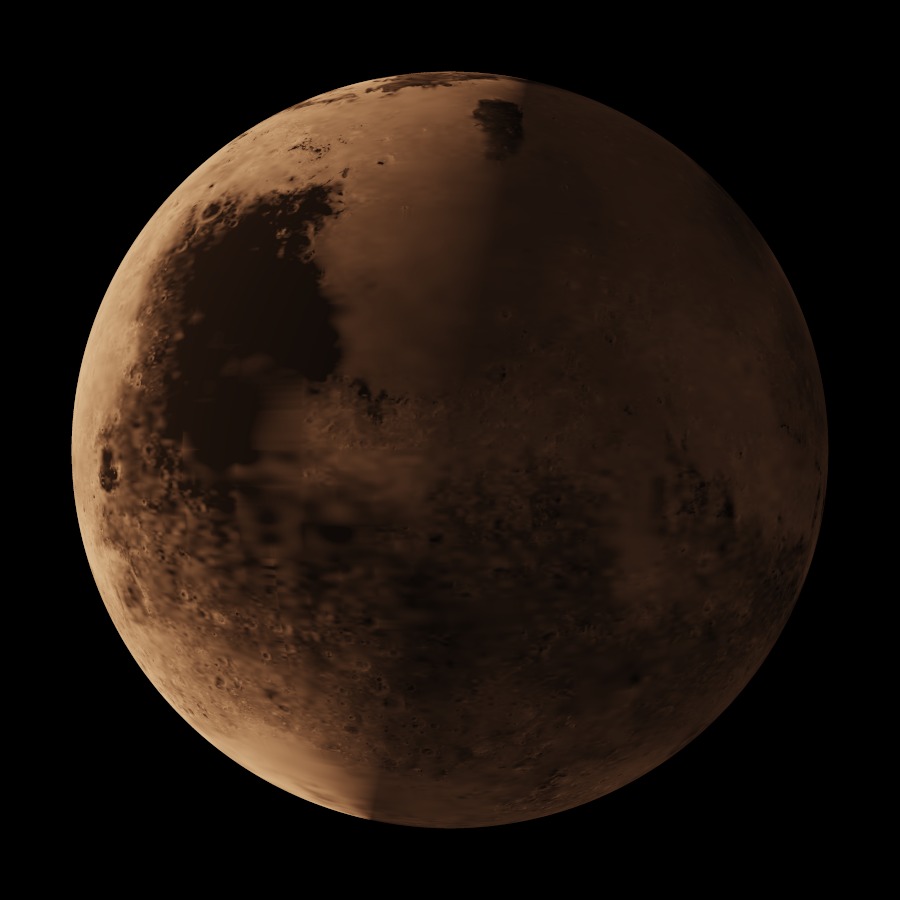
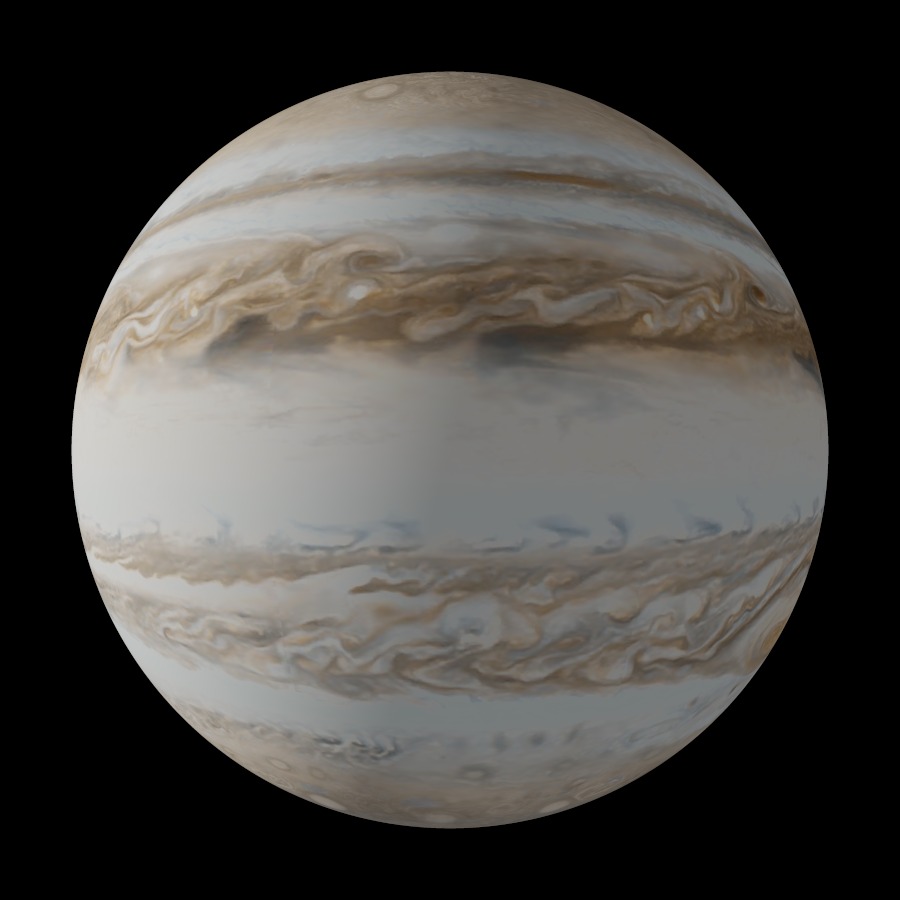
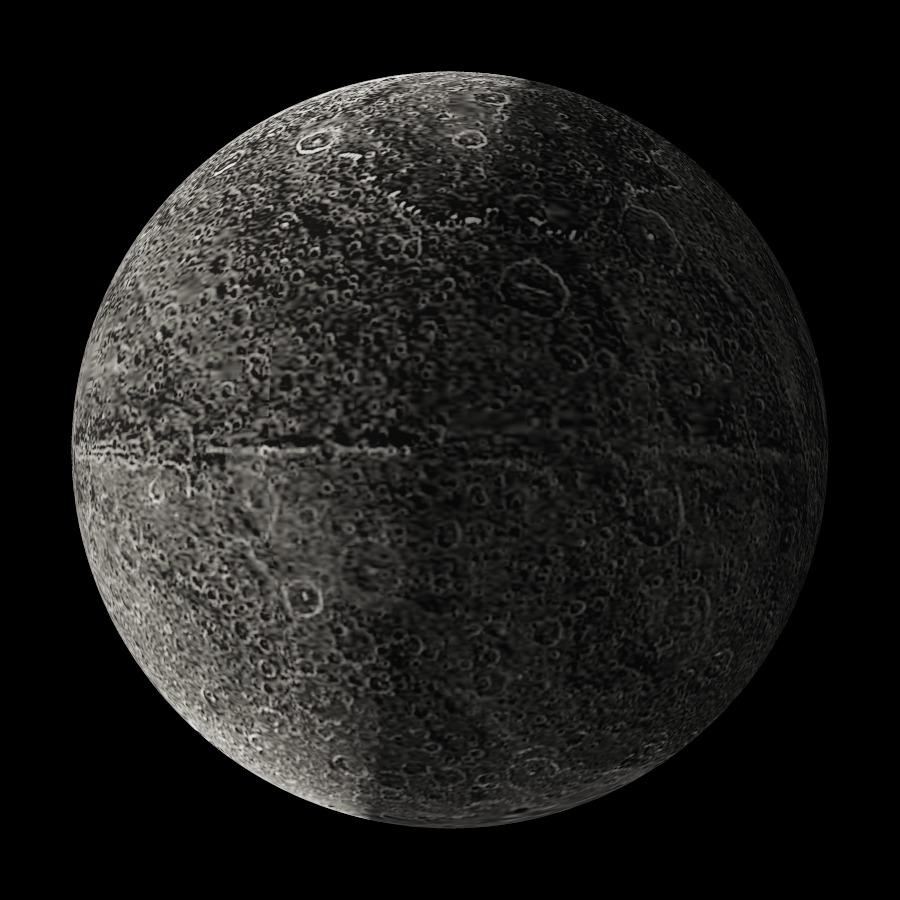
These are not pictures taken through a telescope and they are not stock. Each one is a surface evaluated at the moment named, lit from where the sun actually was, seen from where the observer actually is. Change the instant and the shadow moves — which is why the same machinery can draw a body as it will look on a night that has not happened yet.

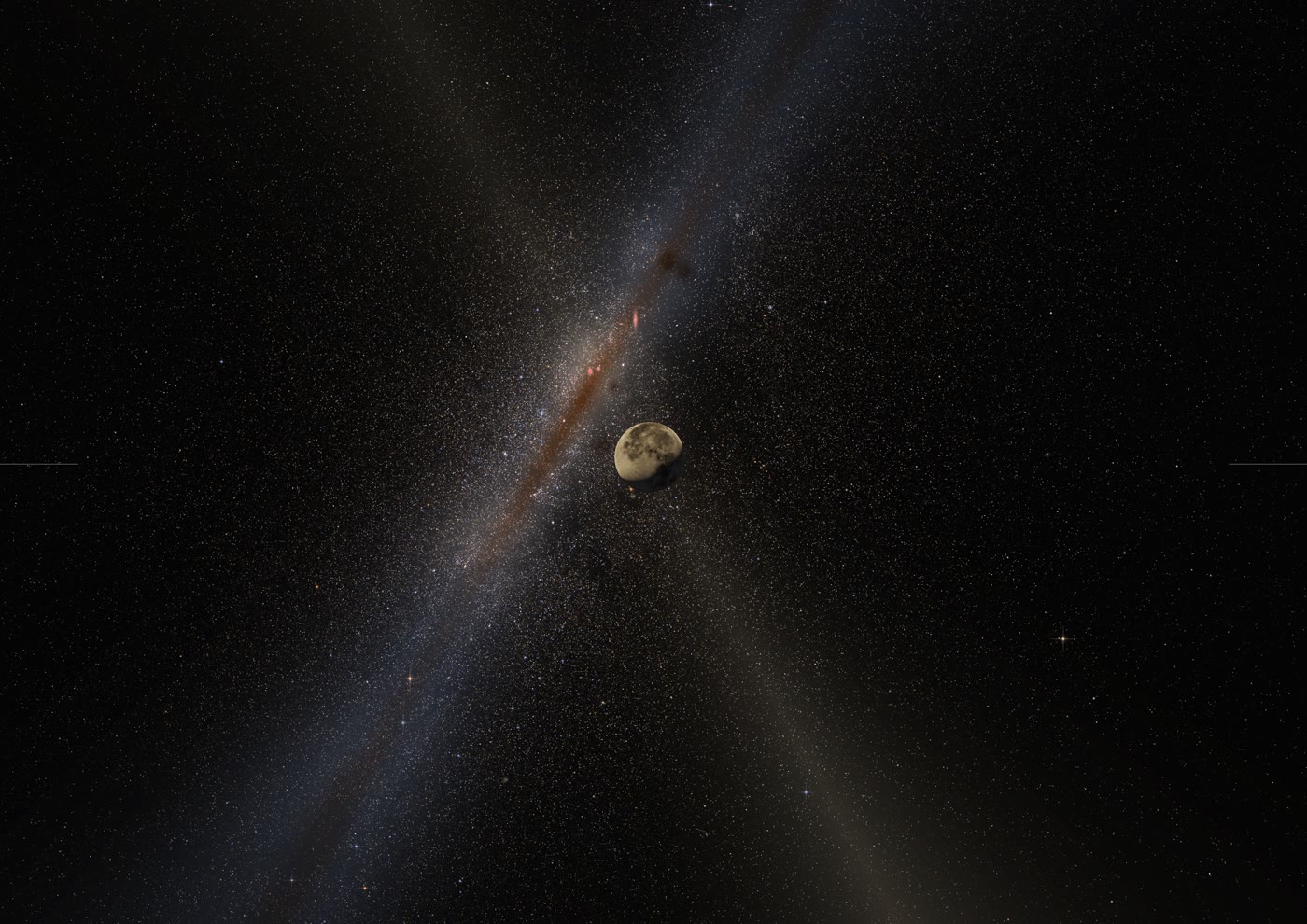
The Moon against the plane of the Milky Way, with the galactic dust lanes and the zodiacal band
The Moon set against the plane of the Milky Way — every star placed from a catalogue position rather than painted, and the galactic dust lanes drawn where the dust is. The faint band crossing at an angle to the plane is the ecliptic: the road the sun, the moon and the planets all travel, which is why they keep meeting each other.
Free, no account

Try it.

The tool below is the real thing, not a demo. Give it a city and it reads your sky.

In development

In your pocket.

The house app carries the same sky day after day — tonight’s visibility, the month ahead, the next event worth an alarm — and four small apps each take one piece of it. Every figure they show is computed on the spot for where you are standing, offline as readily as on.

The apps →
  • Cycles ArcTonight, the moon, the sun, the planets, the almanac.
  • MoonTonight’s moon at photographic quality.
  • WakeAlarms at sunrise, moonrise, golden hour, eclipse.
  • LightThe photographer’s planner.
  • Time MachineThirty thousand years of real sky.
Build with it

The sky, in your own code.

Sun and moon times, phase and illumination, twilight bands, planet positions and visibility, eclipse and event dates, season instants, star rise and set — for any coordinate and any date, thousands of years either way. One request, one number, no interpretation attached.

Want it wired into something you already run, or built into software of your own? Ask for that instead. And if you have looked at this and concluded it could not be done — not at that span, that volume or that date — bring it here and let us give it a second thought.
Tell us what you are building    API, integrations and bespoke software →

The rest of the arc
Waiting list

Be first through the door.

The house app launches Autumn 2026. Leave your email and we’ll tell you the moment it’s live — nothing else.

Never shared. Unsubscribe anytime.